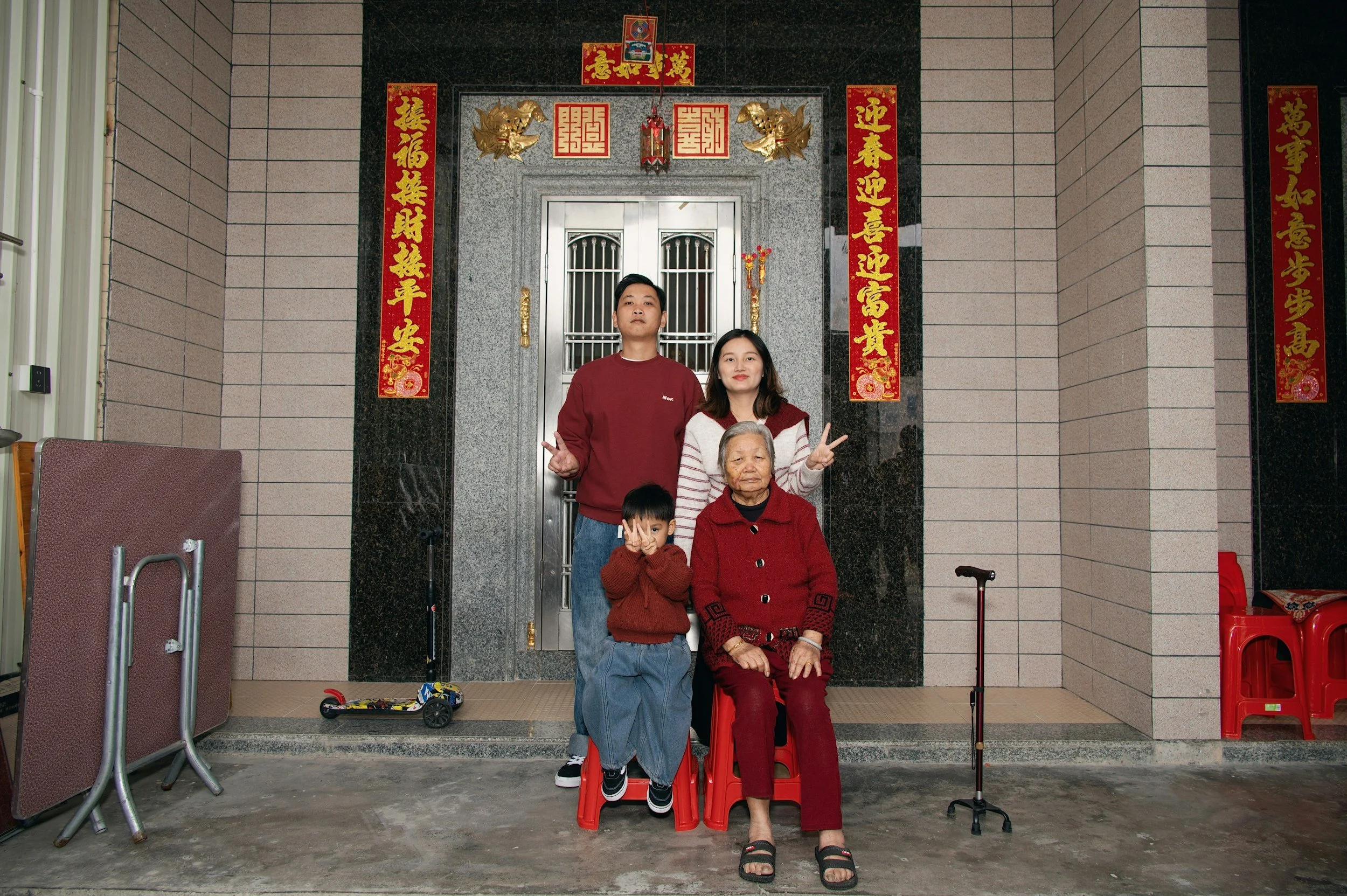
Therapy for Asian American, Immigrant & BIPOC Adults
-You shouldn’t have to translate yourself in therapy
You've spent your life translating — for your parents, for your culture, for the predominantly white spaces you've learned to survive in. You're carrying the weight of family expectations, racial microaggressions, and a quiet voice that wonders if you're "Asian enough," "American enough," or "enough" at all. This space is different. Here, you can stop translating, stop performing, and finally exhale.
This Work Is For You If…
You're a 1st- or 2nd-generation Asian American, immigrant, or BIPOC adult.
You're navigating the weight of your parents' sacrifices alongside your own hopes for your life.
You look high-functioning on the outside but feel anxious, depleted, or quietly grieving on the inside.
You're carrying trauma — your own, your family's, your culture's — that has never had space to be named.
You're tired of explaining your background to a therapist who doesn't get it.
Common Struggles I Help Clients Work Through
"I didn't sacrifice all this for you to…" — guilt around career paths, relationships, and choices that don't fit your family's vision for your life.
Living between cultures — feeling not "enough" of either, code-switching at home and at work, watching pieces of your heritage slip away.
The model minority trap — perfectionism, fear of failure, and shame around struggling at all when you're "supposed" to have it together.
High-functioning anxiety and depression — looking successful on the outside while quietly running on empty inside.
Parentification — being the translator, the emotional buffer, the family fixer from the time you were small, and not knowing how to stop.
Intergenerational trauma — inheriting the fears, silences, and survival patterns of family members who never had the space to grieve what they went through.
Racial trauma and microaggressions — the cumulative exhaustion of being othered, especially in predominantly white workplaces, schools, or neighborhoods.
Mental health stigma — choosing therapy in spite of family or community messages that tell you to just push through, pray it away, or keep it private.
Filial piety vs. boundaries — figuring out how to honor your family without erasing yourself in the process.
Identity and belonging — questions about language loss, religion, dating, naming, and where "home" actually is.
About Me — Why I'm the Right Fit
As a second-generation Asian American, I grew up code-switching, translating for my parents, and quietly negotiating two cultures at once. I bring both clinical expertise and lived experience to this work, which means we can skip the long preamble and get into the real stuff — the parts your culture taught you to keep private and the parts your family never had words for.
What You Can Expect
In our first session, we'll talk through what brought you in and get clear on what you want to walk away with — so we're aligned on what this space is for and what my role will be. Together we'll build a plan with intention and direction, not open-ended sessions that drift. Over time, the goal isn't just to feel less anxious or triggered. It's to trust yourself again, hold your story with compassion, and move through the world without needing to translate yourself.
FAQ
Do I have to be Asian American to work with you? No. I work with BIPOC clients across many backgrounds, as well as anyone who connects with my approach. The cultural framework I bring is welcoming, not exclusive.
I'm not sure if what I went through "counts" as trauma. Should I still come? Yes. We don't need a label to take your experience seriously. If something is still shaping how you see yourself or move through the world, it's worth exploring.
My family doesn't believe in therapy. Can this still work? Absolutely. Many of my clients come to therapy in spite of family or cultural messages, not because of them. Part of our work can be making peace with that tension.
Do you offer family or couples therapy? My current practice focuses on adult individual therapy. If family or couples work is what you need, I'm happy to refer you to someone wonderful.
How long will I be in therapy? That's a real conversation we'll have together. I believe therapy is a tool — an intentional space with a purpose, not somewhere you should have to live forever. My goal is to help you build the skills and self-trust you need, and eventually not need me anymore.
Ready to stop translating?
Book a free 15-minute consultation. We'll talk through what you're working on, what you're hoping for, and whether I'm the right fit.